
Awareness of gambling addiction Understanding the signs and seeking help
Understanding Gambling Addiction
Gambling addiction, often referred to as compulsive gambling or gambling disorder, is a serious behavioral issue that affects countless individuals and their families. It transcends mere recreational gambling, leading to significant emotional, financial, and psychological consequences. Understanding the root causes and manifestations of this addiction is crucial for awareness and intervention. For instance, many people might explore a new kiwi casino but fail to recognize the potential dangers involved.
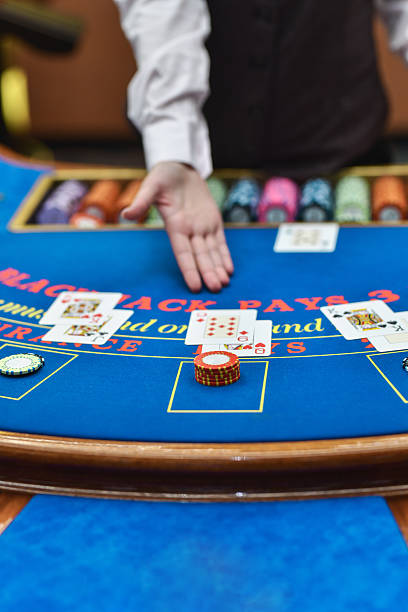
Individuals struggling with gambling addiction may initially perceive their behavior as harmless fun. However, as time progresses, the compulsive need to gamble can overshadow other aspects of life, including personal relationships and professional responsibilities. Recognizing this shift in behavior is key to understanding the depth of the addiction.
Signs of Gambling Addiction
Identifying the signs of gambling addiction is essential for early intervention. Common indicators include an increasing preoccupation with gambling, an inability to stop or cut back on gambling activities, and chasing losses by gambling more to recover lost money. These behaviors can spiral into a cycle of despair and secrecy, often resulting in further isolation.
Other signs may include neglecting responsibilities, experiencing financial difficulties, or even engaging in deceitful behaviors to fund gambling habits. Recognizing these warning signs in oneself or loved ones can be the first step toward seeking help and making necessary lifestyle changes.
Impact on Relationships and Finances
The impact of gambling addiction extends beyond the individual, affecting relationships and financial stability. Families and friendships can suffer due to the dishonesty and secrecy that often accompany compulsive gambling. Loved ones may feel betrayed and stressed, leading to further emotional turmoil.
Financially, the consequences can be devastating. Individuals may accrue debts, deplete savings, or engage in illegal activities to support their gambling habits. Understanding these repercussions is vital in motivating those affected to seek help and change their behaviors before it’s too late.
Seeking Help and Support
Seeking help for gambling addiction is a courageous and necessary step toward recovery. Various treatment options are available, including therapy, support groups, and counseling. Cognitive-behavioral therapy has shown promising results in helping individuals address the underlying issues contributing to their gambling addiction.
Support groups, such as Gamblers Anonymous, provide a community of understanding and shared experiences, allowing individuals to connect with others facing similar challenges. Encouraging open dialogue and support can significantly aid the recovery process and foster a sense of hope and renewal.

Resources and Support Online
For those seeking more information about gambling addiction, numerous online resources are available. These platforms offer valuable insights, support options, and educational materials designed to help individuals understand and confront their addiction. They provide tools for budgeting for gambling and strategies to cope with urges, fostering a healthier relationship with gambling.
Staying informed and connected with support networks is essential for anyone grappling with gambling addiction. Whether seeking information, professional help, or a community of understanding, the digital space offers myriad resources that can guide individuals toward recovery and a more balanced life.

